வெற்றிக் கதை(Success Story) குழந்தைகள் படிப்பது எளிதானதா?
ஆக்கம்:
எஸ். சிவக்குமார்,
முதல்வர் (பணி நிறைவு) மாவட்ட ஆசிரியர் கல்வி மற்றும் பயிற்சி நிறுவனம் காஞ்சிபுரம் மாவட்டம்.
Mob.. 6383690730
ஒரு கட்டிடம் கட்டுவதற்கு முன்பு எப்படி கட்ட வேண்டும் என்று வரைபடம் வரைந்து அதற்கு ஏற்ப கட்டடம் கட்டப்படுகிறது. வரைபடம் இல்லாமல் கட்டிடம் கட்டினால் கட்டடம் என்னவாகும்?
வகுப்பறை கற்றல் கற்பித்தல் தோல்விக்கு முக்கிய காரணம் LessonPlan இல்லாதது முக்கிய காரணம்.
கற்றல் புலன் உறுப்புகள் வாயிலாக நிகழ்கிறது ஒவ்வொரு குழந்தைக்கு புலன் செயல்பாடுகள் வெவ்வேறாக இருக்கும் அதனைக் கண்டறிந்து கற்பிப்பது மிகவும் சிரமம்.
அதற்கு மாறாக புலன் உறுப்புகளுக்கு ஏற்ப Lesson Plan தயாரித்து வகுப்பறை நிகழ்வுகள் அமைக்கப்பட வேண்டும்.
சில குழந்தைகள் பார்த்தால்(Visual) கற்றுக்கொள்வார்கள்.
சில குழந்தைகள் கேட்டால்(Auditory) கற்றுக் கொள்வார்கள்.
சில குழந்தைகள் செய்து பார்த்து(Kinesthetic) கற்றுக் கொள்வார்கள்.
புலன் உறுப்புகளின் செயல்பாடுகள் அனைத்தும் மூளையுடன் தொடர்புடையது என்பதை நாம் தெரிந்து கொள்ள வேண்டும்
மூளை ஒரு விஷயத்தை எப்படி ஞாபகம் வைத்துக் கொள்கிறது என்றால் தொடர்ச்சியாக ஒரு செயலை செய்கின்ற பொழுது ஞாபகம் வைத்துக் கொள்கிறது.
மேலும் நமக்கு எந்த செயல் பிடிக்குமோ அதனை செய்ய தூண்டுகிறது.
நம்மை படிக்கத் தூண்டுவதும் மூளை தான்.
படித்து என்ன ஆகப்போகிறது? என்று கேட்பதும் மூளை தான்.
இங்கு தான் நம் முடிவு எடுக்க வேண்டிய நிலையில் உள்ளோம்.
சரியான முடிவை எடுக்கும் குழந்தைகள் அடுத்த கட்டத்தை நோக்கி நகர்வார்கள்.
முடிவெடுக்கும் இடத்தில் தான் குழந்தைகளுக்கு நாம் வழி காட்ட வேண்டும்.
மாதிரி Lesson Plan ஒன்றை பார்ப்போம் தற்போது செயற்கை நுண்ணறிவந்து விட்டதால் நமது பணி எளிதாகிறது. காலத்திற்கு ஏற்ப மாற வேண்டும்.
மனிதர்கள் தொடக்கத்தில் வேக வைக்காமல் உணவை உண்டார்கள். நெருப்பை கண்டுபிடித்தவுடன் வேகவைத்து உண்டார்கள். Gas Stove மூலம் சமைத்து உண்டார்கள். Electrical stove மூலம் சமைத்து உண்டார்கள். தற்போது சமைத்த உணவு வீடு தேடி வருகிறது. உணவுப் பழக்க வழக்கம் மாறிக்கொண்டே வருகிறது.
ஆகவே தற்போது செயற்கை நுண்ணறிவு வந்துள்ளதால் அதனை பயன்படுத்தி வகுப்பறையில் கற்றலை எளிதாக்க வேண்டும்.
தற்போது lesson plan ஒரு நிமிடத்தில் தயாரிக்க முடியும். எந்த மொழியிலும் மாற்றம் செய்து கொள்ளலாம்.
ஒரு நிமிடத்தில். அனைத்து வகையான வினாக்களும் தயாரிக்க முடியும். குழந்தைகள் தற்போது தாங்களாகவே தயாரிக்க தொடங்கி உள்ளார்கள்.
ஆகவே தற்போது கற்பித்தலுக்கு அதிக நேரம் கிடைக்கிறது என்பதை நாம் உணர வேண்டும். வகுப்பறை கற்றல் தொடர்ச்சியாக வீட்டிலும் நிகழ வேண்டும் அதற்காக பள்ளி நேரத்திற்குப் பின்பு மற்றும் விடுமுறை நாட்களில் குழந்தைகள் படிப்பதற்கு ஏற்றவாறு குழந்தைகள் தாங்கலாகவே Time Table போட்டு படிக்க வேண்டும் ஒரு செயல் தொடக்கத்தில் தாமதமானாலும் பழக்கத்தில் தொடர்ச்சியாக நடைபெறும்.
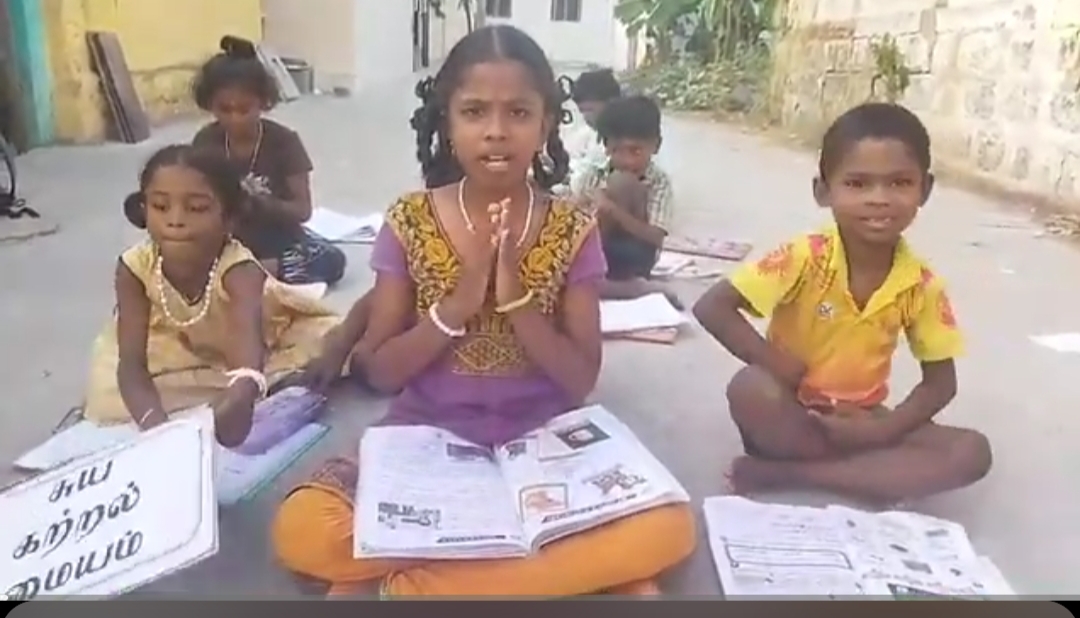
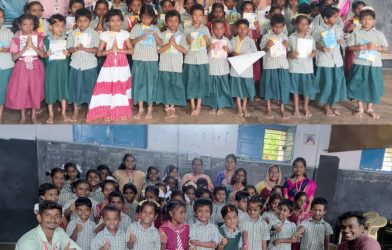
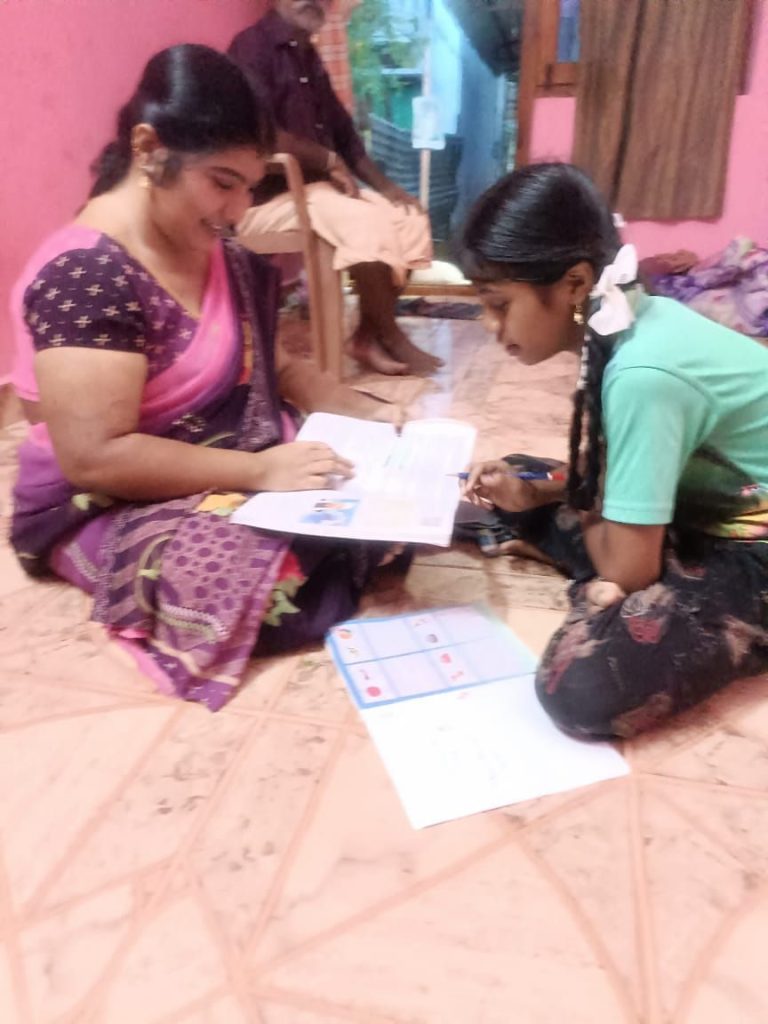
தற்போது குழந்தைகள் திருச்சி,திருநெல்வேலி திருவள்ளூர் ஆகிய மாவட்டங்களில் 80 மேற்பட்ட பள்ளிகளில் குழந்தைகள் அனைத்து நாட்களிலும் வீட்டில் கரும்பலகை வைத்து சுயமாக படிக்கிறார்கள்(Self learning)ஆசிரியர்களும் பெற்றோர்களும் உறுதுணையாக இருக்கிறார்கள்.
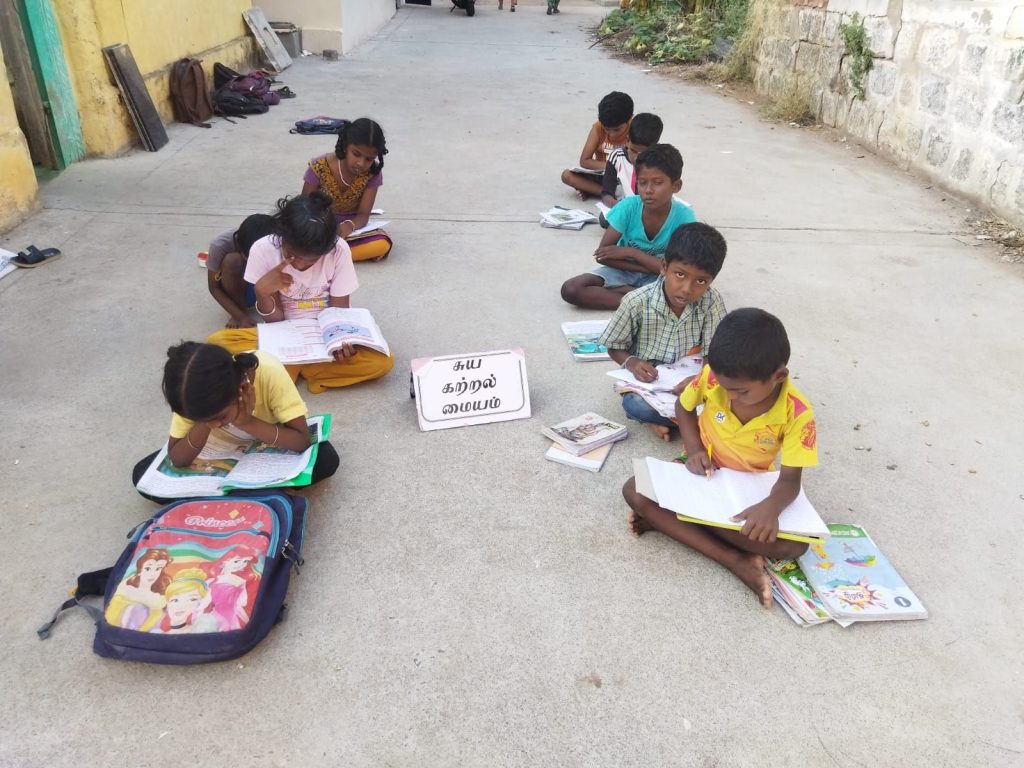
கல்வி அலுவலர்கள் ஆசிரியர்களுக்கு வழிகாட்டுகிறார்கள்.
ஆசிரியர்கள் பெற்றோருக்கு வழிகாட்டுகிறார்கள்.
பெற்றோர்கள் குழந்தைக்கு வழிகாட்டுகிறார்கள்.
தற்போது கற்றல் சிறப்பாக நிகழ்கிறது இதற்கு எவ்வித செலவும் கிடையாது.
தற்போது குழந்தைகள் அடுத்த கட்டத்திற்கு நகர்ந்து உள்ளார்கள்.
உரையாட தொடங்கியுள்ளார்கள். உரையாடுகின்ற பொழுதுதான் கருத்து பரிமாற்றம் நிகழும். உரையாடலை ஆசிரியர்கள் தயாரித்துக் செயற்கை நுண்ணறிவு துணை கொண்டு கொடுத்தார்கள். இப்போது குழந்தைகள் தானாகவே உரையாடுகிறார்கள்.
VAK Model Lesson Plan – Water
Grade: 3
Subject: Environmental Studies
Topic: Water
Duration: 40 minutes
Learning Objectives:
Identify sources and uses of water.
Understand the properties and importance of water.
Learn simple ways to conserve water.
Lesson Flow:
1. Introduction (5 minutes)
Begin by asking students, “Can we live without water?” Show a glass of water and ask them to observe its color, smell, and taste. Discuss where water comes from and why it is essential.
2. Main Lesson (25 minutes)
Visual Activities:
Show pictures of different water sources such as rivers, lakes, wells, and rain.
Display a chart of the water cycle and explain how water moves through nature.
Use a transparent glass to demonstrate that water is colorless and takes the shape of its container.
Auditory Activities:
Tell a short story titled “The Journey of a Water Drop,” describing how a raindrop travels from a cloud to the ocean.
Engage students with a simple water conservation rhyme or song to reinforce learning.
Ask students questions like, “Where do you see water around you?” and encourage them to share their thoughts.
Kinesthetic Activities:
Conduct a simple water experiment: Give each student an ice cube and ask them to observe how it melts, demonstrating the change from solid to liquid.
Have students fill a glass with water and observe how it takes the shape of the container.
Let students act out the water cycle—some can be clouds, some raindrops, and others rivers or the sun.
3. Water Conservation (5 minutes)
Discuss simple ways to save water, such as turning off taps while brushing and using a bucket instead of a hose. Use a poster or real-life examples to make it relatable. End with a fun chant: “Save water, every drop counts!”
4. Conclusion (5 minutes)
Summarize the key points of the lesson by asking students, “What did you learn today?” Assign a simple drawing activity where students illustrate a water source like a river or a well.
Assessment:
Oral Questions:
Name two sources of water.
Why do we need clean water?
Practical Activity:
Demonstrate different forms of water: ice (solid), water (liquid), and steam (gas).
Homework:
Observe and write down five ways they use water at home.